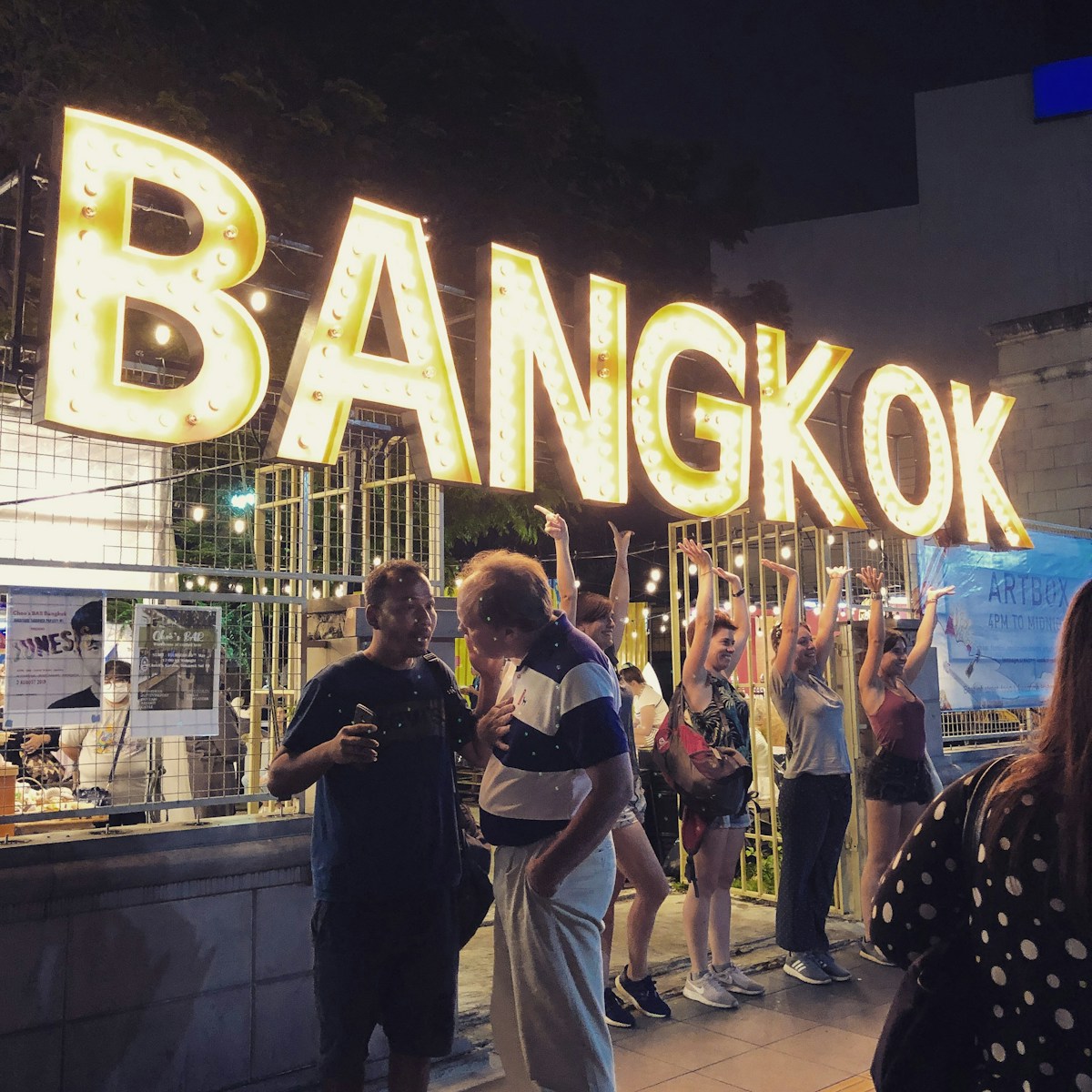
Building Your Expat Village: Connecting with International School Families in Bangkok
Moving to Bangkok as an international teacher brings unique opportunities and challenges, especially when you're trying to build meaningful connections with other expat families. Unlike traditional expat employees who might struggle to find common ground, teachers have a distinct advantage. You're already embedded in the international school community where most expat families naturally gravitate.
The key lies in understanding how to navigate the delicate balance between professional relationships and personal friendships in Bangkok's tight-knit expat community. Many teachers worry about crossing professional boundaries. However, successful integration often requires moving beyond formal parent-teacher interactions to build genuine connections [1].
This guide explores three essential strategies: maximizing school-based networking opportunities through events and activities, leveraging Bangkok's established expat neighborhoods and communities, and utilizing digital platforms specifically designed for international families. Whether you're new to Bangkok or looking to expand your social circle, these approaches will help you build the supportive expat network that makes living abroad truly rewarding.
Leveraging School-Based Networking Opportunities
Participating in Extracurricular Activities and Sports Programs
The most natural way to connect with expat families is through your school's extensive extracurricular program. Bangkok's top international schools like ISB, NIST, and Patana organize numerous after-school activities where parents frequently volunteer or attend events. Offer to coach a sport you're passionate about. Help with drama productions, science fairs, or music concerts.
These activities create relaxed environments where conversations flow naturally beyond academics. Parents appreciate teachers who invest extra time in their children's development, and you'll find common interests emerge organically. For instance, volunteering for the school's swimming gala might connect you with parents who share your love for fitness. This could lead to weekend training sessions or family pool gatherings.
Sports teams particularly excel at building community. Parents often travel together for inter-school competitions, creating opportunities for deeper friendships to develop. The shared excitement of cheering for young athletes breaks down formal barriers and allows authentic connections to flourish.
Strategic Participation in School Events and Social Functions
School events serve as crucial networking hubs. However, strategic participation makes the difference between superficial interactions and meaningful relationships. Don't just attend the annual international fair or holiday celebrations. Actively contribute to their organization.
Join planning committees for events like UN Day, Chinese New Year celebrations, or graduation ceremonies. These planning phases involve months of collaboration with parent volunteers, creating natural opportunities to build relationships gradually. You'll discover shared cultural backgrounds, similar parenting philosophies, or common interests that extend beyond school walls.
Many international schools also host regular coffee mornings, parent education workshops, and cultural celebration events that provide regular touchpoints for relationship building. The admission process at Bangkok international schools often includes new parent orientation programs and social mixers. Even if you're an established teacher, volunteering to help welcome new families positions you as a friendly face and community connector. This often leads to invitations for weekend gatherings or family dinners [3].
Tapping into Bangkok's Expat Neighborhoods and Communities
Exploring Thonglor, Ekkamai, and Sathorn Family Networks
Bangkok's expat-dense neighborhoods function as extended communities where international school families naturally cluster. Thonglor and Ekkamai particularly attract families with school-age children due to their proximity to several international schools and family-friendly amenities. Living in or frequently visiting these areas increases your chances of spontaneous encounters with school families.
Regular participation in neighborhood activities builds visibility within the expat community. Weekend farmers markets, community swimming pools, and popular family restaurants become networking opportunities. The Commons at Thonglor, EmQuartier's family zones, and Benjakitti Park often buzz with international school families on weekends.
Sathorn's expat community tends to be more established. Many families have lived in Bangkok for several years. These seasoned expats often become valuable mentors for newer arrivals and can introduce you to wider social circles. They frequently organize informal gatherings, book clubs, and hobby groups that welcome newcomers.
Consider joining residential communities or serviced apartment complexes popular with expat families. These often organize resident events, children's activities, and holiday celebrations that naturally bring international school families together. The shared experience of navigating Bangkok as foreigners creates instant common ground.
Engaging with Cultural and Religious Communities
Bangkok's diverse expat population maintains various cultural and religious communities that extend beyond school boundaries. Many international school families participate in cultural associations, religious congregations, or nationality-specific groups that organize regular social events and support networks.
Churches, temples, and cultural centers often run family programs, children's activities, and social gatherings that attract international school families. These communities provide deeper connection opportunities based on shared values and traditions. They often lead to lasting friendships that extend well beyond your Bangkok posting.
National day celebrations, cultural festivals, and holiday gatherings organized by embassies or cultural associations draw large numbers of expat families. These events celebrate shared heritage while bringing together people from your school community in relaxed, festive environments where children can play while adults connect naturally.
Utilizing Digital Platforms and Online Communities
Facebook Groups and WhatsApp Networks
Bangkok's expat community thrives on digital platforms, with Facebook groups serving as primary information and social hubs. Join groups like "Bangkok Families," "International School Parents Bangkok," and school-specific parent groups where families regularly organize meetups, share recommendations, and seek playdate partners [1].
These platforms allow you to identify families with children similar ages to yours. You can discover shared interests and participate in group activities before meeting face-to-face. Many successful friendships begin through online discussions about everything from pediatrician recommendations to weekend activity suggestions.
WhatsApp groups often emerge from Facebook connections, creating smaller, more intimate networks for regular communication. Class parent groups, sports team chats, and neighborhood networks keep you connected to daily community life and spontaneous gathering invitations.
The key is active participation rather than passive observation. Share helpful information and respond to requests for advice. Initiate meetups yourself. Your teacher perspective often provides valuable insights that other parents appreciate, positioning you as a helpful community member.
Leveraging Professional Teacher Networks for Family Connections
International teacher associations and professional development groups often extend beyond workplace interactions to include family social events. Organizations like the International Schools Association of Thailand regularly organize family-friendly gatherings where teacher families can connect with colleagues and their children.
Professional conferences, workshops, and training sessions provide opportunities to meet teachers from other international schools whose families might become close friends. These connections often prove particularly valuable because they understand the unique challenges and rewards of international teaching life.
Many Bangkok international schools maintain alumni networks that include former teacher families who've remained in Bangkok or returned after assignments elsewhere. These networks organize reunions and social events that bring together multiple generations of the international school community. This creates rich opportunities for meaningful connections [2].
Conclusion
Building meaningful connections with expat families in Bangkok requires intentional effort across multiple channels. However, the rewards extend far beyond simple social networking. The relationships you develop become your support system, cultural bridge, and lasting friendships that often continue long after your Bangkok assignment ends.
Start with school-based opportunities since they provide natural common ground and built-in conversation starters. Expand into neighborhood communities where daily life intersects with other families, creating opportunities for spontaneous connections. Supplement these face-to-face interactions with digital platforms that keep you connected to the broader expat community conversations and activities.
Remember that successful relationship building takes time and genuine investment. Focus on quality connections over quantity. Don't be discouraged if initial attempts don't immediately result in close friendships. The international community in Bangkok is welcoming but also transient. Persistence and openness to new arrivals ensures your network continues growing throughout your time in Thailand.