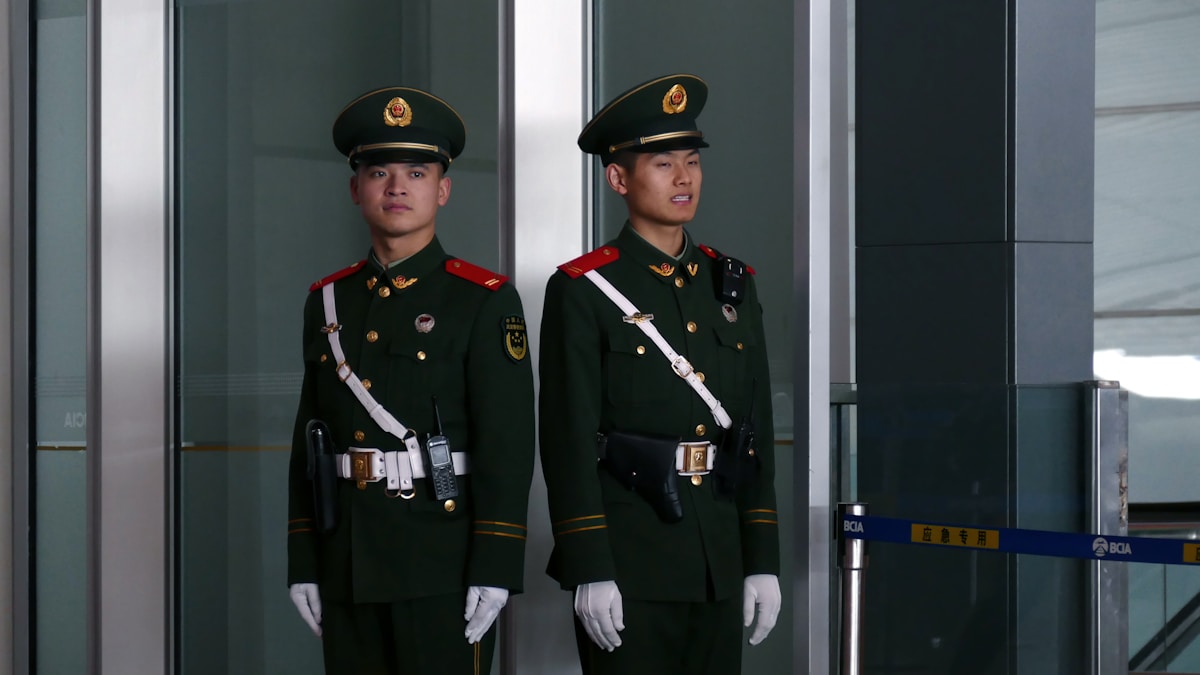
Building Bridges: How to Navigate Workplace Friendships with Local and International Staff in China
Walking into the staff room of an international school in China often feels like entering two different worlds. On one side, international teachers cluster together, swapping stories about weekend travel and visa runs. On the other, local Chinese staff members chat in Mandarin, perhaps more reserved in their interactions. This invisible divide isn't inevitable, but navigating it requires intention and cultural intelligence.
The key to thriving in a Chinese international school lies in understanding three crucial elements: the cultural frameworks that shape Chinese workplace relationships, the practical strategies for building authentic cross-cultural friendships, and the daily habits that create inclusive communities. When international teachers master these aspects, they don't just enhance their own experience. They contribute to stronger, more cohesive school cultures that benefit everyone, from colleagues to students.
Understanding Cultural Foundations of Workplace Relationships
The Role of Guanxi and Hierarchy in Chinese Professional Culture
Guanxi, the intricate system of social networks and relationships in Chinese culture, operates very differently from Western networking. It's not simply about knowing people. It's about mutual obligation, trust built over time, and reciprocal favors. For local Chinese staff, workplace relationships often extend beyond professional boundaries into personal territory, creating deeper but slower-forming bonds.
Hierarchy plays an equally significant role. In Chinese educational settings, respect for seniority and position isn't just polite; it's fundamental to social harmony. A local teacher with ten years at the school holds social capital that transcends their job title. International teachers who barge in with Western egalitarian assumptions may inadvertently disrupt established social orders.
This doesn't mean you can't be friendly with everyone. It does mean being mindful of how you approach senior Chinese colleagues and recognizing that younger local staff may initially seem more reserved around senior leadership, whether Chinese or foreign.
The concept of "mianzi" or face-saving further complicates friendship formation. Chinese colleagues may avoid direct disagreement or criticism in group settings to preserve harmony and face, both theirs and yours. What might seem like agreement could actually be polite deflection. Understanding this isn't about stereotyping. It's about recognizing different communication styles rooted in cultural values.
Western Individualism Meets Chinese Collectivism
Western workplace culture typically separates professional and personal spheres. You can be friendly with colleagues without becoming friends, and that's perfectly acceptable. Chinese workplace culture tends toward collectivism, where the line between colleague and friend blurs more easily, but the path to friendship requires more investment.
International teachers often mistake initial Chinese politeness for standoffishness. In reality, local staff may be gauging whether you're someone who will invest in a long-term relationship or just another expat passing through. Research on intercultural adjustment shows that teachers who succeed abroad actively engage with local culture rather than retreating into expat bubbles [2].
Many international teachers arrive expecting instant camaraderie similar to what they'd experience at home. They organize happy hours, suggest weekend plans, and wonder why local colleagues decline or seem hesitant. The disconnect often stems from different expectations about relationship pacing. Chinese colleagues may prefer group activities initially, gradual personal disclosure, and relationship-building through shared tasks rather than purely social settings.
The teaching profession itself holds different status levels in Chinese versus Western contexts. Education carries tremendous cultural weight in China. Teachers often enjoy higher social status than their Western counterparts. This affects how local staff view their roles and relationships within schools.
Practical Strategies for Building Authentic Cross-Cultural Friendships
Addressing Language Barriers Constructively
Language barriers represent both the most obvious and most surmountable obstacle to friendship. Many international teachers assume that if local staff speak English, communication should be seamless. But language proficiency doesn't equal cultural fluency or comfort. Speaking a second language in social settings requires energy and can feel exhausting for Chinese colleagues who've already spent their day teaching or working in English.
Smart international teachers meet their Chinese colleagues halfway. Learning even basic Mandarin phrases demonstrates respect and effort. You don't need fluency. Greeting colleagues with "早上好" (good morning), thanking them with "谢谢," or asking "你吃了吗?" (have you eaten?) opens doors. Local staff consistently report that foreign colleagues who attempt Chinese, however imperfectly, earn their respect and warmth [1].
Consider practical solutions like language exchange arrangements. Offer to help a Chinese colleague practice English conversation in exchange for Mandarin lessons. This creates structured interaction time with built-in mutual benefit, classic guanxi building. These exchanges often naturally evolve into genuine friendships because they involve regular contact, shared vulnerability, and reciprocal learning.
Technology bridges gaps too. Translation apps enable deeper conversations than many teachers realize. While you shouldn't rely on them exclusively, pulling out your phone to translate a complex idea shows commitment to communication. WeChat, the ubiquitous Chinese messaging platform, becomes essential for maintaining relationships.
Local staff use it constantly. Joining group chats, sharing moments, and responding to messages integrates you into daily social flows.
Navigating the Guanxi System Respectfully
Building guanxi requires understanding reciprocity without approaching it transactionally. When a Chinese colleague helps you navigate bureaucracy or explains a cultural nuance, acknowledge this generously. Reciprocate thoughtfully, perhaps by sharing teaching resources from your home country, offering assistance with English documents, or bringing back small gifts from trips.
Gifts matter in Chinese relationship-building, but not in ways many Western teachers expect. Extravagant gifts create uncomfortable obligation. Instead, bring back local specialties from your hometown or trips: tea, chocolates, regional snacks. Share them communally in the staff room. This demonstrates thoughtfulness without creating awkward dynamics.
Participate in school events and celebrations enthusiastically. Mid-Autumn Festival, Spring Festival, Teachers' Day. These occasions provide relationship-building opportunities. When schools organize staff dinners or activities, attend even if it feels outside your comfort zone. Chinese colleagues notice who shows up and who doesn't. Your presence signals that you value community membership over individual preference.
Avoid common pitfalls like only seeking out Chinese colleagues when you need something. This transactional approach contradicts guanxi principles entirely. Build relationships before you need favors, not just when problems arise. Check in with colleagues regularly, show interest in their lives, and offer help proactively.
Avoiding Expat Bubbles and Creating Inclusive Communities
Breaking Down the International Teacher Clique
The expat clique forms naturally and almost invisibly. International teachers share common reference points, language, humor, and challenges. It's comfortable and easy. But exclusive international teacher groups damage school culture and limit your own experience in China.
Start by examining your own behavior honestly. Do you consistently sit with the same international colleagues at lunch? Do you socialize exclusively with other foreigners outside school? Do conversations in mixed company default to Western references that exclude Chinese colleagues? These patterns, however unintentional, signal exclusivity.
Veteran international teachers who thrive in China actively resist these defaults. They deliberately vary their lunch companions, consciously include Chinese colleagues in conversations, and organize mixed social events. One effective strategy involves inviting both international and local colleagues to gatherings, creating natural opportunities for cross-cultural interaction.
Watch your language and reference points. When the entire conversation revolves around Western TV shows, sports, or politics that Chinese colleagues can't access or relate to, you've effectively excluded them. Culturally intelligent teachers develop the habit of explaining references, asking questions that invite Chinese perspectives, and choosing topics with broader relevance.
Address exclusionary behavior when you notice it in other international teachers. If a colleague makes dismissive comments about local staff or consistently avoids interaction with Chinese teachers, gentle but direct feedback matters. These patterns don't just affect individuals. They poison institutional culture.
Daily Habits That Build Bridges
Small, consistent actions create inclusive environments more effectively than grand gestures. Arrive early enough to chat casually with colleagues before classes begin. These informal moments, often happening in Chinese staff rooms or hallways, build rapport that formal meetings never achieve.
Learn and use colleagues' names correctly, including proper tones in Mandarin names if possible. Ask Chinese colleagues to help you pronounce names accurately. This small effort communicates enormous respect. Similarly, learn about colleagues' families, interests, and lives outside school. Chinese culture values personal connection, and remembering details about someone's child's exam or elderly parents' health strengthens relationships significantly.
Share your own culture selectively and appropriately. Chinese colleagues often feel curious about Western perspectives, but avoid falling into the trap of positioning yourself as the authority on all things Western. Never present Western approaches as superior. Share experiences as personal perspectives, not universal truths.
Create opportunities for collaboration beyond mandatory meetings. Propose co-teaching units, invite Chinese colleagues to contribute their expertise to your classes, or ask for feedback on lessons. Working together toward shared goals builds relationships more effectively than purely social interaction.
When conflicts or misunderstandings arise, and they will, address them with cultural sensitivity. Direct confrontation, acceptable or even valued in some Western contexts, can damage relationships irreparably in Chinese settings. Instead, consider indirect approaches: involving a trusted intermediary, addressing issues privately rather than publicly, and framing concerns as questions rather than accusations.
Leveraging School Structures and Leadership
Schools themselves play crucial roles in facilitating or hindering cross-cultural friendship. Strong international schools in China intentionally design structures that bring local and international staff together. They create mentorship programs pairing new international teachers with experienced local staff, organize team-building activities that mix rather than separate staff groups, and ensure leadership teams model inclusive behavior [2].
As an individual teacher, you can advocate for these structures even if they don't currently exist. Propose mixed working groups for curriculum development, suggest cross-cultural professional development sessions, or volunteer to organize social events that appeal to both international and local staff.
Physical spaces matter too. Some schools maintain separate staff rooms for international and local teachers, practically guaranteeing divided communities. If your school has this setup, consciously spend time in both spaces. Your visible presence in the local staff room signals openness and breaks down invisible barriers.
Observe and learn from international teachers who successfully navigate these dynamics. Every school has a few veterans who've built genuine friendships across cultural lines. Watch how they interact, what events they attend, and how they communicate. Most experienced teachers happily share insights with newcomers genuinely interested in cultural integration.
Conclusion
Navigating workplace friendships between local and international staff in China challenges even experienced educators, but the rewards far exceed the effort required. By understanding cultural concepts like guanxi, hierarchy, and mianzi, you equip yourself to interpret behaviors and build relationships more effectively. Practical strategies such as learning basic Mandarin, participating fully in school community events, and consciously avoiding expat cliques transform good intentions into actual friendships.
Start this week with one concrete action. Invite a Chinese colleague for coffee, join a staff WeChat group you've been avoiding, or simply learn how to properly pronounce three colleagues' names in Mandarin. These small steps accumulate into genuine cross-cultural competence and meaningful relationships.
Your experience in China, your effectiveness as an educator, and your school's overall culture all improve when you commit to building bridges rather than accepting divides.